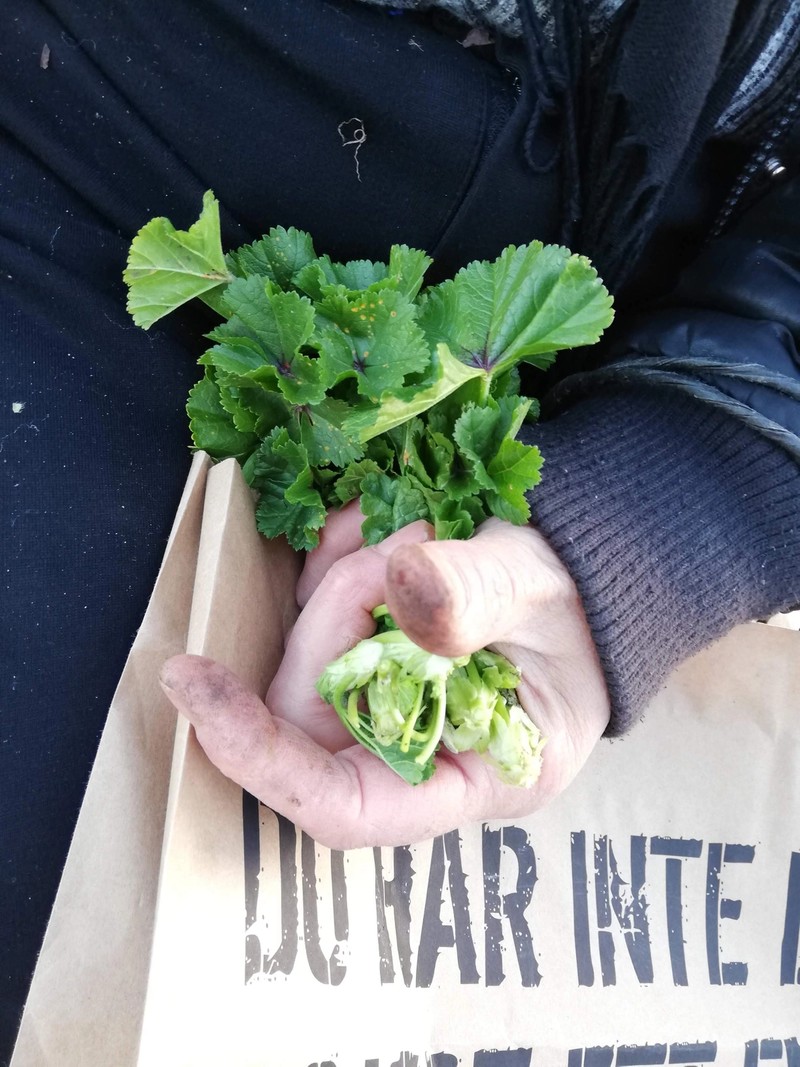
WRC working session 2019. Woman met by chance collecting Khubeizeh (Eng: mallow) and explaining about foraging plants in the city.
Start reading by downloading the WeRCurious manifesto.
WeRcurious engaged with collective mapping exercises in the city of Malmö between 2017-2020. Different processes of translation have happened since then in a number of conversations, a bus tour and the audio track that you can listen to below. We want to thank all the participants for their time, sharing and commitment.
Moving within disagreement, staying with the difference
PLAY
0:00
27:31
WeRCurious would like to ask you a few questions regarding care in the context of your professional practice. Filling in the questionnaire should take roughly 15 minutes, but answering it would be an act of direct engagement and contribution to nets of care. Your feedback will also help us pose more accurate questions next time. Your care is our care. To answer the survey, please email hfarera@gmail.com.
1. Who is taking care that the spaces in your work environment are clean and well maintained?
2. Do you know anything more about the persons who are cleaning your workspace besides the work tasks that they perform? Write a few words about one of these persons. Write a message to this person.
3. Are there people in your work environment that perform unpaid labour? If yes, do you bring this issue into discussion with them? Write a message to one of these persons who perform unpaid labour.
4. Name a few of the groups/ networks/ organisations or institutions in your town that are working actively with giving space to a plurality of voices. Share an example of how this is put into practice.
5. How could we make space and recognize the needs and desires of our colleagues, while coping with an environment that often has no space for disruptions in the working flows?
6. Were there any moments during the last months when weaknesses and desires were allowed in your professional environment? If yes, please describe it.
7. Name one or two preconditions that are essential for the maintenance of long term living and working relations while being part of a culture of replacement that predominantly follows the logic of the project.
8. Arguably, maintaining continuity is important when trying to build collective practices and trust among the members of a group or in the professional field. But could you imagine allowing discontinuity as an act of care necessary for long term maintenance of the practice? Please elaborate your thoughts on this.
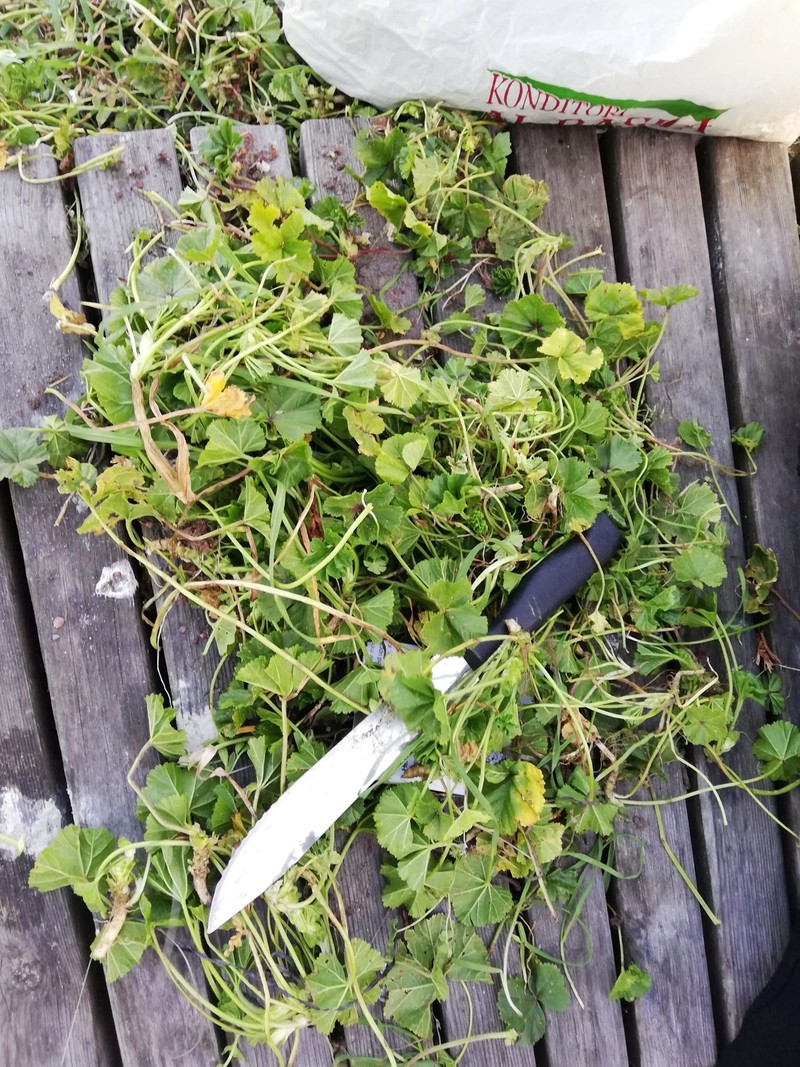
WRC working session 2019. Woman met by chance collecting Khubeizeh (Eng: mallow) and explaining about foraging plants in the city.